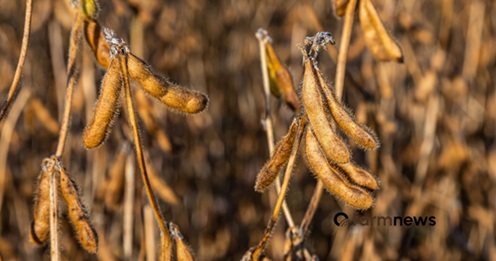



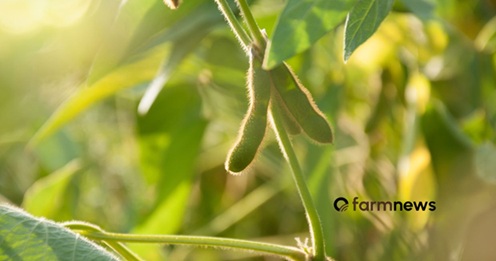
For Brazil’s soy farmers, the exchange rate is more than an abstract number on a financial chart. It determines the price of their crops, the cost of their supplies, and the health of their communities.
Brazil is one of the world’s largest producers and exporters of soybeans, Official soybean production in Brazil for the 2024/25 harvest was estimated at approximately 171.7 million tons, with a planted area of approximately 48.21 million hectares, a crop that sustains millions of rural families and fuels a major share of the nation’s export earnings. Yet behind the impressive export statistics lies a powerful economic force that shapes farmers’ everyday lives — the exchange rate. The value of the Brazilian real (BRL) against the U.S. dollar can determine how much farmers earn, how much they invest, and even what kind of future their communities will have.
Understanding the Exchange Rate Effect
Soybeans are traded globally in U.S. dollars. When Brazilian soy farmers sell their harvest abroad, they receive payment in dollars but spend money in reais.
This means that when the real weakens against the dollar, each dollar earned abroad converts into more reais, effectively increasing local income. Conversely, when the real strengthens, soy farmers receive fewer reais for the same amount of soy, squeezing profits.
When the Real Weakens: A Boom with Hidden Costs
A weaker real makes Brazilian soybeans cheaper for foreign buyers, increasing competitiveness and driving higher demand and exportation. It brings a wave of optimism to Brazil’s soy-growing regions. Exporters can pay higher prices in reais, boosting farmers’ revenues. Many take advantage of these periods to invest in equipment, expand acreage, or pay off loans. Rural economies thrive — the economy of rural towns benefits from increased spending by farmers, a prosperity cycle typically occurs
However, the boom comes with a catch. Many essential inputs, such as fertilizers, pesticides, and machinery parts, are imported and priced in dollars. As the real depreciates, these costs climb, cutting into margins. The higher revenue from a weaker real can be eroded by rising costs, and the overall profitability is still subject to volatile global commodity prices and high domestic interest rates.
When the Real Strengthens: Profit Squeeze
When the real gains value, the situation reverses. Export earnings in reais decline, making soy exports less attractive. Farmers may delay selling their grain, hoping for a better exchange rate, or shift part of their production to the domestic market. On the upside, imported inputs become cheaper, but overall income often falls. This can slow investment, reduce rural employment, and dampen economic activity in small towns.
Broader Impacts on Rural Life
Exchange rate shifts ripple beyond individual soy farmers. In years of favorable rates, rural economies expand — construction picks up, families spend more, and local governments collect more taxes. When the real strengthens, spending contracts, affecting local services, employment, and even migration patterns. Large agribusinesses often weather these cycles better than smallholders, leading to land consolidation in some cases, pushing small farmers out of their rural activities.
Managing the Risk
Because exchange rate volatility is largely beyond individual farmers’ control, financial tools like futures contracts and government support programs can help stabilize income. Macroeconomic stability — through sound fiscal and monetary policies — also plays a crucial role in reducing uncertainty. Education and access to financial instruments can empower farmers to better manage risk.
Conclusion
For Brazil’s soy farmers, the exchange rate is more than an abstract number on a financial chart. It determines the price of their crops, the cost of their supplies, and the health of their communities. A weaker real can bring short-term gains, but also higher costs and long-term risks. A stronger real can erode profits but make investments more affordable. Understanding and managing these dynamics is key to ensuring that Brazil’s agricultural success translates into lasting prosperity for those who make it possible.
The convergence of machine learning and transcriptome analysis represents a powerful approach for advancing agricultural innovation. Click here to know more!
How Long Does Regenerative Agriculture Take to Pay Back? Regenerative agriculture isn’t an expense — it’s a capital reallocation. Average payback happens between 5–8 years, depending on crop and reinvestment pace. Click here!
Click here to receive Farmnews studies via WhatsApp!