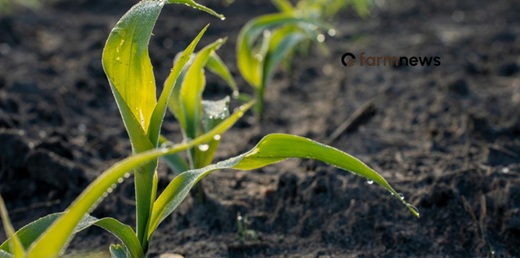




Acting as a hidden engine of agricultural efficiency, seed treatment plays a vital role in ensuring healthy germination, protecting against pests and diseases, and maximizing yield potential.
In the ever-evolving world of agriculture, innovation is the driving force behind increased productivity and sustainability. Among the many technological advances that support modern farming, seed treatment remains one of the most effective yet often overlooked methods of boosting crop performance. Acting as a hidden engine of agricultural efficiency, seed treatment plays a vital role in ensuring healthy germination, protecting against pests and diseases, and maximizing yield potential.
Understanding Seed Treatment
Seed treatment refers to the application of chemical, biological, or physical agents to seeds before planting. These treatments are designed to protect seeds and seedlings from soil-borne and seed-borne pathogens, insects, nematodes, and other environmental stresses. They may include fungicides, insecticides, nematicides, microbial inoculants, or growth enhancers that improve germination and early plant vigor.
Commonly the treatment is carried out on properties or industrially. A survey done by ATTO Sementes shows that the treatment carried out industrially is more efficient, precise and safe that that carried out on properties.
Enhancing Germination and Early Growth
One of the primary benefits of seed treatment is its impact on germination. Treated seeds often show faster and more uniform germination, which translates into stronger early plant growth. This advantage is particularly crucial under suboptimal soil conditions, where untreated seeds might struggle to establish themselves. Healthy seedlings have a greater chance of survival and can compete better for nutrients, sunlight, and water.
Protection Against Pests and Diseases
Seed treatment serves as the first line of defense against harmful pests and diseases. By coating the seed with protective agents, farmers reduce the risk of fungal infections, insect attacks, and bacterial contamination that can devastate crops. Compared to foliar sprays or soil applications, seed treatment uses minimal quantities of active ingredients, making it both cost-effective and environmentally responsible.
Sustainability and Environmental Benefits
Beyond yield improvement, seed treatment supports sustainable agricultural practices. Because it targets only the seed and the immediate zone around it, there is less chemical drift and lower environmental impact.
It also helps reduce the frequency of broad-spectrum pesticide applications, thereby promoting soil health and biodiversity. Moreover, newer biological seed treatments harness beneficial microbes to enhance plant resilience naturally, aligning with the global movement toward eco-friendly farming.
Economic Advantages for Farmers
From an economic standpoint, seed treatment offers a high return on investment. The upfront cost of treated seeds is relatively low compared to potential yield losses from pests, diseases, or poor germination. It also reduces the need for repeated pesticide use later in the growing season, saving labor and input costs. In essence, seed treatment enables farmers to produce more with less.
Data from the Brazilian Agricultural Research Corporation (Embrapa) indicate that the average expenditure on treating soybean seeds, over ten years of analysis, represented only 2,2% of the total cost invested in the production of soybean crops.
The Future of Seed Treatment
As agriculture faces the dual challenge of feeding a growing population and coping with climate change, seed treatment technology continues to evolve. Research is now focused on next-generation bio-based treatments that integrate beneficial microbes, nanotechnology, and precision delivery systems. These innovations promise to further enhance crop efficiency, resilience, and sustainability.
Conclusion
Seed treatment truly is the hidden engine of agricultural efficiency. Though often unseen beneath the soil, its impact resonates throughout the growing season — from stronger seedlings to higher yields and healthier ecosystems. By embracing this powerful yet understated technology, farmers can cultivate not only productivity but also sustainability for the future of agriculture.
How Long Does Regenerative Agriculture Take to Pay Back? Regenerative agriculture isn’t an expense — it’s a capital reallocation. Average payback happens between 5–8 years, depending on crop and reinvestment pace. Click here!
See also how the exchange rate shapes the lives of soy farmers in Brazil. For Brazil’s soy farmers, the exchange rate is more than an abstract number on a financial chart. It determines the price of their crops, the cost of their supplies, and the health of their communities. Click here to know!
Click here to receive Farmnews studies via WhatsApp!